Introduction: Smart flagstaff winter pest control for homes and cabins
When snow drives pests inside, winter becomes the season for indoor protection. In Flagstaff, cold snaps push mice, rats, and cockroaches into basements, crawlspaces, and kitchens. Even on sunny winter days, you’ll notice winter insects Flagstaff residents commonly see emerging from wall voids where they overwinter.
The good news: a winter-ready plan—combining insulation and weatherization, dry heating and moisture control, and thorough winter inspections—delivers effective flagstaff winter pest control while improving indoor air quality for your family.
Why flagstaff winter pest control matters in colder months
Winter pest pressures: rodents, cockroaches, and winter insects Flagstaff homeowners should expect
Winter in northern Arizona compresses pests into your conditioned space. Expect:
- Rodents (mice and pack rats) seeking warmth, nesting material, and crumbs near appliances and utility lines.
- Cockroaches persisting where moisture, food residue, and clutter give them cover—kitchens, bathrooms, and utility rooms.
- Occasional invaders that overwinter quietly, then wander indoors on warm days. One common example is the Western conifer seed bug; learn identification and removal basics from the University of Minnesota Extension: species overview and removal tips.
Health and property risks rise indoors
- Rodent-borne disease risk: Before cleaning droppings or nesting material, ventilate for 30 minutes, disinfect (spray, soak, then wipe), and avoid sweeping or vacuuming that can aerosolize pathogens. Follow CDC guidance here: CDC hantavirus prevention.
- Arizona-specific guidance: The Arizona Department of Health Services emphasizes sealing openings 1/4-inch and larger, using appropriate traps, and following safe cleanup protocols. Review details at ADHS hantavirus prevention.
- Property damage: Rodents chew electrical insulation, contaminate HVAC components, and damage stored goods; cockroaches foul food-prep surfaces and can exacerbate asthma.
Indoor pest prevention AZ: build a dry, sealed, and sanitary home
Dry heat and moisture control: the winter key
Most winter pest problems start with moisture and access. Keep interiors dry and tight:
- Target 30–50% indoor RH. Use bathroom and kitchen exhaust fans (vented outdoors), and run a dehumidifier in basements, crawlspaces, and garages.
- Insulate cold surfaces to prevent condensation that attracts cockroaches and rodents. Focus on basement walls, rim joists, and cold water lines.
- Fix leaks fast: Drippy faucets, sweating pipes, and wet sink bases are roach magnets.
Food, clutter, and storage habits that deter pests
- Airtight storage: Place pantry items and pet food in sealed bins; decant bulk goods into hard-sided containers.
- Nightly reset: Wipe counters, sweep crumbs, and run the dishwasher. Seal trash and take it out regularly.
- Declutter: Thin out boxes and soft goods in utility rooms and garages. Store items 6 inches off the floor and 2 inches from walls.
 Online Only Pricing!
Flagstaff Pest Control—Fast, Local, Guaranteed
Book in minutes. Lock in our online-only rate and get priority scheduling.
- Stops ants, spiders, mice & pack rats
- No long-term contracts
- Family & pet-friendly options
- Money-back guarantee
Online takes ~60 seconds.
No gimmicks—just your price & schedule.
Prefer to talk? We can't guarantee our online prices over the phone.
We're happy to talk! Call us at (928) 233-8618
Safe cleanup protocols for winter rodent intrusions
Protect your lungs and skin during winter cleanups:
- Ventilate the room for 30 minutes before entering.
- Wear disposable gloves; prepare a disinfectant (commercial disinfectant or 1.5 cups bleach per gallon of water).
- Spray, soak, then wipe droppings, nests, and urine—never sweep or vacuum dry material.
- Double-bag contaminated materials; wash hands thoroughly. Full guidance: CDC cleanup protocol.
Winter inspections and exclusion: seal every 1/4-inch gap
Foundation-to-roofline inspection checklist for winter
Perform a slow, methodical inspection outside and in:
- Foundation and sill plates: Look for gnawing, gaps at foundation cracks, and deteriorated sealant.
- Utility penetrations: Gas, electric, cable, and HVAC lines often have gaps. Seal thoroughly.
- Doors and windows: Replace worn sweeps and weatherstripping; confirm the threshold has no light leaks.
- Roofline: Check fascia/soffits, eaves, and flashing for chew-through or rot.
- Materials that last: Fill small cracks with sealant; stuff larger voids with copper or stainless-steel mesh and cap with mortar or metal flashing. Reinforce door bottoms and garage seals.
For general IPM inspection concepts, see the EPA’s primer: Integrated Pest Management basics.
Weatherization upgrades that double as pest defenses
- Door sweeps and weatherstripping block drafts and rodent entry simultaneously.
- Foam-seal penetrations around plumbing, wiring, and HVAC lines; finish with mesh plus mortar for rodent resistance.
- Insulate rim joists and basement walls to reduce condensation and cold spots pests exploit.
- Tap local assistance: Weatherization and rebate programs can offset costs and improve comfort:
- State Weatherization Assistance: Arizona WAP
- Electric utility rebates: APS energy savings
- Gas/electric rebates in Northern AZ: UniSource rebates
Attic, crawlspace, and vent hardening
- Screen attic vents and chimneys with 1/4-inch hardware cloth; install a spark-arresting chimney cap.
- Repair torn screens and soffit gaps; replace brittle gable vent louvers.
- Condition crawlspaces where feasible: ground vapor barrier, perimeter insulation, and controlled ventilation or dehumidification to keep RH in check.
Targeted flagstaff winter pest control tactics
Rodent control: exclusion first, then traps
- Seal every 1/4-inch gap or larger—rodents can compress through astonishingly small openings.
- Trap placement: Set snap traps perpendicular to walls (trigger toward the wall), behind appliances, along sill plates, and near utility lines where runs are evident.
- Bait smart: A pea-sized amount of peanut butter or hazelnut spread works well in cold weather.
- Safety: Follow Arizona-specific cleanup and trapping guidance from ADHS: Hantavirus safety in AZ.
Managing winter insects Flagstaff residents see indoors
Online Only Pricing!
Flagstaff Pest Control—Fast, Local, Guaranteed
Book in minutes. Lock in our online-only rate and get priority scheduling.
- Stops ants, spiders, mice & pack rats
- No long-term contracts
- Family & pet-friendly options
- Money-back guarantee
Online takes ~60 seconds.
No gimmicks—just your price & schedule.
Prefer to talk? We can't guarantee our online prices over the phone.
We're happy to talk! Call us at (928) 233-8618
- Overwintering “invaders” like the Western conifer seed bug get indoors via tiny gaps in fall. The fix is exterior sealing, not indoor chemicals.
- Removal technique: Gently vacuum bugs found indoors; avoid sprays that stain, smell, and rarely solve the root cause. Learn more: Western conifer seed bug guide.
Cockroach prevention in winter kitchens and baths
- Eliminate water sources: Fix leaks, run exhaust fans 20–30 minutes after showers and cooking, and dry sinks and drains overnight.
- Sanitation: Nightly wipe-downs, floor sweep, and no standing pet food overnight.
- Targeted baits: Apply gel baits in cracks and crevices (behind splash guards, hinges, and pipe chases). Keep surfaces dry so baits remain palatable.
Winter inspections: schedule, tools, and what to document
Monthly indoor walkthroughs (Dec–Feb)
Block 30–45 minutes each month for an IPM walkthrough focused on indoor pest prevention AZ essentials:
- Check basements, crawlspaces, garages, utility rooms, and under sinks for fresh droppings, gnawing, rub marks, grease trails, and musty odors.
- Use a bright flashlight, inspection mirror, and a 1/4-inch gap gauge (coin or ruler) to verify exclusion integrity.
- Log humidity readings (aim 30–50% RH) and note any new moisture or air leaks.
What “early detection” looks like in practice
- Night noises: Scratching in walls/ceilings or activity above drop ceilings signals a run. Investigate that zone first.
- Trap and bait monitoring: Record captures and bait take by location and date to pinpoint active routes.
- Moisture mapping: Track RH spikes or condensate near cold corners, rim joists, and bath/kitchen areas. Adjust ventilation or dehumidification promptly.
For an overview of IPM concepts you can adapt to your checklist, review the EPA’s guidance: Integrated Pest Management for homes.
When DIY isn’t enough: professional help for indoor pest prevention AZ
Signs you need a pro right now
- Multiple trap captures per week, repeat cockroach sightings, or persistent high humidity despite fixes.
- Odors, damaged insulation, or contaminated HVAC components that require specialized remediation and sealing.
- Structural entry points you can’t safely access (roofline, chimney, or high gables).
What a winter service should include
- Whole-home inspection from attic to crawlspace, including thermal or moisture diagnostics where needed.
- Exclusion with durable materials: copper/steel mesh, mortar, metal flashing, door sweeps, and correctly sized vent screens.
- Sanitation and moisture management plan: leak repairs, drain maintenance, and dehumidification targets.
- Monitoring and follow-up: documentation of entry points, trap maps, and a 30–60 day recheck to confirm resolution.
Conclusion: Your winter-ready blueprint for indoor protection
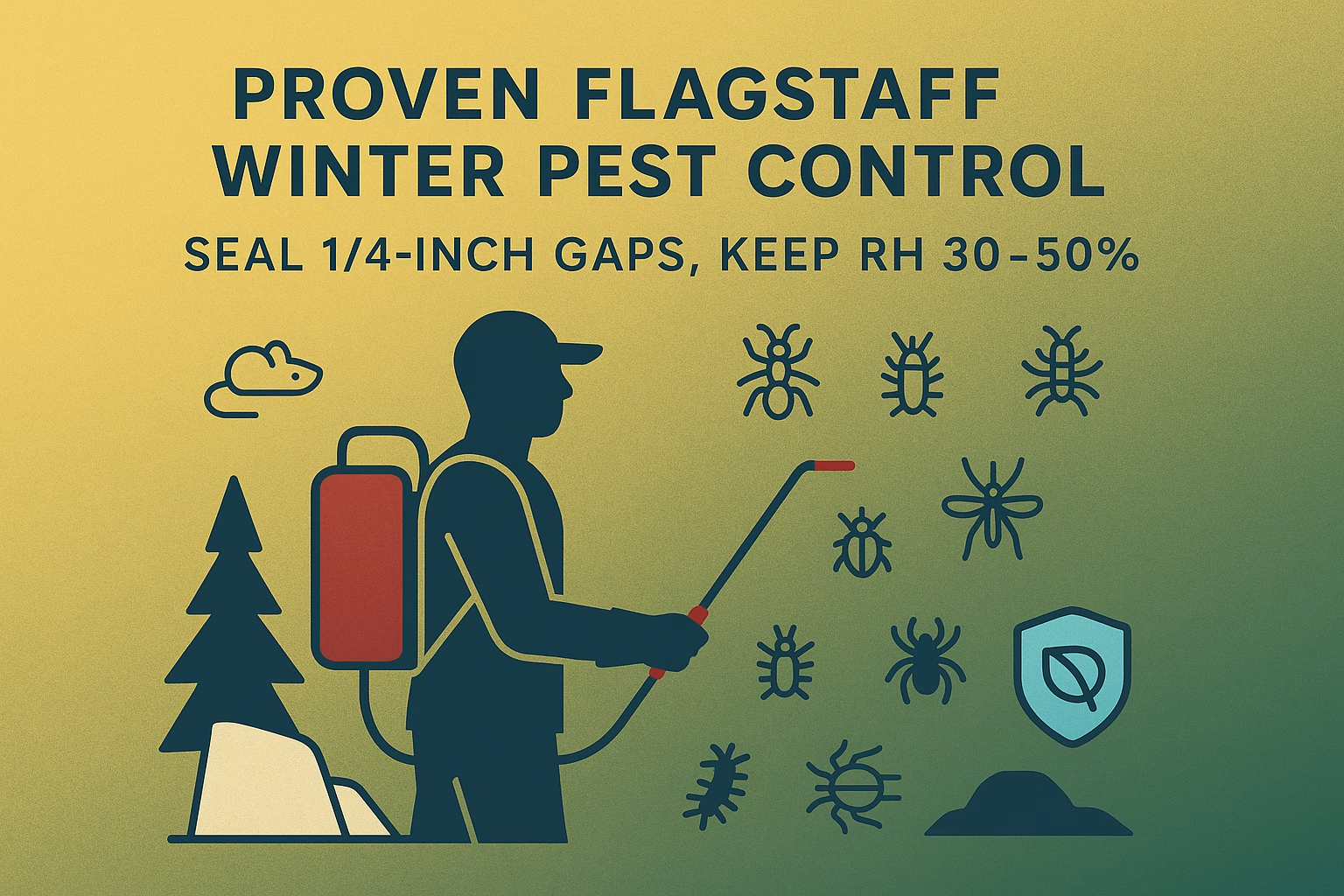
Effective flagstaff winter pest control is about prevention you can measure: dry the home to 30–50% RH, seal every 1/4-inch gap, insulate basements and rim joists, and run routine winter inspections to stop rodents, cockroaches, and the winter insects Flagstaff homeowners encounter after cold snaps. If signs escalate, bring in a pro to harden your home’s envelope and protect your indoor air.
Call to action: Book a winter inspection and exclusion tune-up now to lock in indoor pest prevention AZ before the next storm—and keep your flagstaff winter pest control plan on track all season.