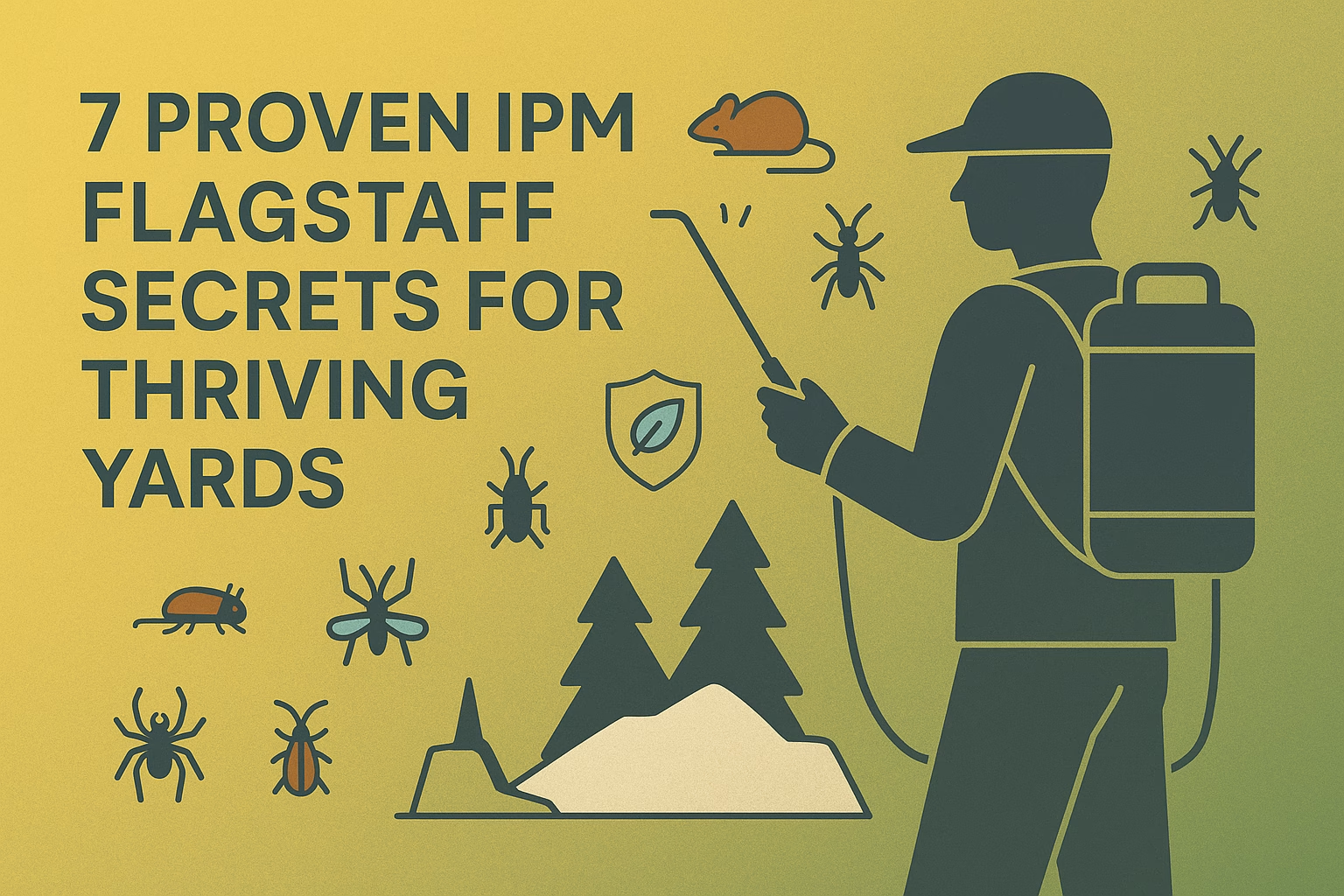
Introduction to IPM Flagstaff for resilient high elevation yards
A quick Flagstaff picture: monsoon bursts then crisp winters create boom and bust pest cycles that beg for IPM Flagstaff solutions
Flagstaff’s high elevation climate delivers intense summer monsoon bursts followed by long crisp winters. That rhythm drives boom and bust pest cycles. Aphids and spider mites can flare fast after rain or heat spikes, then collapse when cold arrives. Weeds germinate in pulses where moisture lingers. Rodents seek shelter as temperatures drop. This variability is exactly why IPM Flagstaff shines. An integrated approach lets you adapt to each surge without overspending or over spraying.
The local challenge: blanket sprays disrupt beneficials while pests rebound faster than your landscape recovers
Quick fixes often create bigger problems. Broad spectrum sprays may knock back pests for a moment, but they also remove the beneficial insects that keep outbreaks in check. With natural enemies gone, pests rebound fast while your plants and soil biology take longer to recover. In Flagstaff’s short growing season, you do not have time to reset the whole yard after every spray.
The promise: IPM Flagstaff delivers sustainable pest management AZ through monitoring, targeted action, and protection of beneficial insects
IPM Flagstaff focuses on prevention, accurate identification, and targeted treatments that protect pollinators and predators. You act only when monitoring shows it is needed. The result is sustainable pest management AZ that saves water and money, supports soil health, and keeps your landscape productive and beautiful.
The IPM Flagstaff framework homeowners can follow
Identify and monitor first: use the University of Arizona homeowner guide on thresholds and selective tactics
Effective IPM starts with correct identification and regular monitoring. The University of Arizona IPM Home Garden Guide explains scouting, basic thresholds, and selective tactics for home landscapes. Use it to set expectations for what is normal versus what demands action.
- Inspect weekly during the growing season and biweekly in cooler months.
- Carry a hand lens, a small notebook or phone, and flagging tape for marking problem spots.
- Check the newest growth first for aphids, mites, and leaf miners. Look under leaves and along tender shoots.
Confirm what you are seeing: the Arizona pest identification portal streamlines diagnostics for IPM Flagstaff decisions
When in doubt, confirm before you treat. The Arizona pest identification portal helps you compare photos and symptoms so you can distinguish pests from harmless or beneficial lookalikes. Correct ID unlocks the right biological control and cultural fixes.
Set action thresholds, then log what works: traps, sticky cards, and weekly yard walks keep IPM Flagstaff data driven
Create simple thresholds so decisions are clear and consistent. Examples you can adapt:
- Aphids on ornamentals: treat when new growth is heavily curled or when populations do not wash off with a strong water spray.
- Spider mites: treat when leaf stippling plus a white paper tap test shows multiple mites per tap across several plants.
- Ants around foundation: act when you see regular trails and soil mounding near entry points.
- Weeds: act when seedlings cover more than one quarter of a bed or threaten young transplants.
Use yellow sticky cards near susceptible plants, pheromone traps where applicable, and short weekly yard walks. Log date, weather, what you saw, and what you did. These notes turn your IPM Flagstaff approach into a repeatable system.
Sustainable pest management AZ in daily yard care
Habitat modification and sanitation that starve pests before they start in IPM Flagstaff
Many problems fade when you remove food, water, and shelter that pests need. Begin with clean cultural practices and site tweaks. For a quick local checklist of practical steps, review these practical Flagstaff pest prevention tips.
- Prune dead or rubbing branches and remove plant litter that harbors pests.
- Store firewood away from the home and off soil.
- Harvest ripe fruit quickly and compost properly to avoid flies and rodents.
- Choose plant varieties proven to thrive at elevation to reduce stress related pest pressure.
 Online Only Pricing!
Flagstaff Pest Control—Fast, Local, Guaranteed
Book in minutes. Lock in our online-only rate and get priority scheduling.
- Stops ants, spiders, mice & pack rats
- No long-term contracts
- Family & pet-friendly options
- Money-back guarantee
Online takes ~60 seconds.
No gimmicks—just your price & schedule.
Prefer to talk? We can't guarantee our online prices over the phone.
We're happy to talk! Call us at (928) 233-8618
Exclusion and moisture correction that drop pressure around foundations for IPM Flagstaff
Small gaps invite big headaches. Pair exclusion with smart moisture management to make your home less attractive. Find approachable, eco minded ideas here: eco friendly exclusion ideas for Flagstaff homes.
- Seal utility penetrations and install tight fitting door sweeps and window screens.
- Fix leaky spigots, extend downspouts, and maintain a gentle slope away from the foundation.
- Use gravel borders next to structures to discourage ants and earwigs.
- Keep mulch a few inches away from siding and trunk flares.
Smart irrigation and mulch choices that fit Flagstaff elevation while supporting soil life and weed suppression
Watering habits can make or break sustainable pest management AZ. Push roots deep with infrequent deep irrigation and use drip or soaker hose to keep foliage dry. Morning watering reduces disease pressure. Apply a two to three inch layer of shredded wood mulch or pine bark to buffer soil temperatures, hold moisture, and suppress weeds, while keeping mulch off trunks. In paths or high traffic areas, consider rock mulch that dries quickly and discourages pests.
Biological control strategies that power IPM Flagstaff
Encourage natural enemies: ladybugs and lacewings for aphids, paper wasps for caterpillars, birds and ground beetles for slug and grub pressure
Biological control turns your yard into a resilient food web. Support these allies and they work for you all season:
- Lady beetles, lacewings, and hoverflies devour aphids and soft bodied pests.
- Paper wasps collect caterpillars to feed their brood.
- Ground beetles hunt slugs and soil dwelling pests at night.
- Songbirds glean caterpillars and beetles from shrubs and trees.
Provide water in shallow dishes with stones, keep small brushy refuges, and avoid broad spectrum products that remove these helpers.
Plant diversity and insectary borders that feed beneficials and keep biological control steady through monsoon and frost
Stagger bloom from spring through fall so beneficials always find nectar and pollen. Mix native perennials and annuals such as yarrow, blanket flower, penstemon, cosmos, and buckwheat. Create small insectary borders near vegetables and fruit trees. Diversity cushions your yard against the weather swings that Flagstaff delivers.
Time any necessary treatments to spare pollinators and predators so biological control keeps compounding
If treatment is needed, spray in the evening when bees are not foraging and beneficial predators are less active. Avoid spraying open bloom, and always target the smallest area possible. Spot treat leaves where pests are feeding and leave non infested areas alone to preserve the biological control you have built.
Targeted treatments that respect IPM Flagstaff thresholds
Reduced risk options that align with sustainable pest management AZ, including oils, soaps, Bt, and spinosad, used after prevention and cultural tactics
When monitoring shows you have crossed a threshold, start with reduced risk products used precisely and only where needed. The University of Arizona highlights selective tools and tips in alternative pesticide options for home gardeners.
- Horticultural oils smother eggs and soft bodied pests. Apply with thorough coverage.
- Insecticidal soaps work on contact for aphids and mites. Repeat as labels direct.
- Bacillus thuringiensis kurstaki targets caterpillars without harming most beneficials.
- Spinosad can help with thrips and leaf miners. Use sparingly and avoid open bloom.
Always read and follow the label, respect reentry intervals, and protect water sources.
Ant and wasp precision: baits and placements that address colonies and nests without carpet spraying in IPM Flagstaff
For social insects, precision beats perimeter spraying. Use slow acting ant baits at trails and nest entrances so workers carry active ingredients back to the colony. Treat wasp nests when cool and calm for safety and effectiveness. For local guidance on tactical placements, explore these precise ant and wasp solutions.
Spot treat only the hot spots, rotate modes of action, and document results to refine your IPM Flagstaff plan
Keep treatments focused. Record the product and its mode of action group to avoid repeating the same class. Rotating groups reduces resistance risk. Note what worked, what did not, and what the weather was doing. Your notes will sharpen next season’s IPM Flagstaff plan.
Online Only Pricing!
Flagstaff Pest Control—Fast, Local, Guaranteed
Book in minutes. Lock in our online-only rate and get priority scheduling.
- Stops ants, spiders, mice & pack rats
- No long-term contracts
- Family & pet-friendly options
- Money-back guarantee
Online takes ~60 seconds.
No gimmicks—just your price & schedule.
Prefer to talk? We can't guarantee our online prices over the phone.
We're happy to talk! Call us at (928) 233-8618
Weed management within IPM Flagstaff landscapes
Prevention first: dense native groundcovers and mulches block light and reduce annual weed germination in Flagstaff soils
Weeds need light and disturbed soil. Build dense plantings with native groundcovers and maintain consistent mulch. Edge beds to prevent creep from surrounding areas and repair bare spots quickly. A living or wood mulch blanket is the simplest form of sustainable pest management AZ for weeds.
Hand pulling, hoeing, and sheet mulching as primary tactics, with selective follow up when action thresholds warrant in sustainable pest management AZ
Pull seedlings after rain or irrigation when soil is soft. Use a sharp stirrup or collinear hoe for shallow rooted annuals. For stubborn patches, apply sheet mulching with cardboard under wood chips to smother regrowth. If thresholds are exceeded, consider selective spot treatments and keep sprays off desirable plants and tree roots.
Seasonal playbook for IPM Flagstaff yards
Spring: inspect for overwintered pests, set monitoring traps, topdress beds, and release beneficials where aphids pop
- Prune winter damage and check bark crevices for eggs and scale.
- Set sticky cards and pheromone traps where relevant.
- Topdress beds with compost to feed soil biology and support plant vigor.
- Where aphids surge, consider releasing lacewing eggs or conserve existing lady beetles with water sprays and spot treatments only.
Monsoon: manage moisture, prune for airflow, scout twice weekly for aphids, spider mites, and leaf miners to keep IPM Flagstaff on track
- Dump standing water weekly to cut mosquito breeding.
- Thin dense canopies to dry leaves faster and reduce disease.
- Rinse dust off foliage to discourage mites and check undersides for stippling and webbing.
- Adjust irrigation to match rainfall to prevent overwatering stress.
Fall and early winter: exclusion checks, leaf litter management for habitat balance, and notes for next year’s IPM Flagstaff thresholds
- Seal gaps, repair screens, and install door sweeps before cold drives pests indoors.
- Rake heavy mats of leaves from lawns while leaving a light layer in beds for overwintering beneficials.
- Clean gutters and move woodpiles away from structures.
- Summarize your log of pests, beneficial sightings, and treatments to refine thresholds for next year.
Wildlife and vertebrate considerations that fit IPM Flagstaff
Discourage browsing and burrowing with habitat tweaks, fencing where needed, and plant choices wildlife find less appealing
Deer, elk, rabbits, and small burrowers are part of mountain living. Protect new plantings with cages or fencing, remove spilled bird seed at night, and choose less palatable plants like lavender, yarrow, sage, and blanket flower near pathways. Use quarter inch hardware cloth to guard trunks and bulbs from gnawing and burrowing.
Protect trees at forest edges, monitor bark and trunk health, and reduce attractants to align with sustainable pest management AZ
Healthy trees resist attack better. Water deeply during prolonged dry spells, avoid trunk wounds, and keep mulch off bark. Watch for sawdust, pitch tubes, or canopy thinning. Remove severely infested material and chip or dispose of it to reduce local pressure.
Tools and records that make IPM Flagstaff repeatable
A simple yard map, monitoring calendar, and photo log create fast feedback loops for future decisions
Draw a quick map with numbered beds and trees. Create a calendar reminder for scouting and trap checks. Snap photos of symptoms and beneficials. These small habits make pattern spotting easy and speed up decisions.
Keep a beneficial insect tally and a pest threshold sheet to guide biological control and timing
Track lady beetles, lacewings, parasitic wasps, and birds alongside pest counts. When beneficial numbers are climbing, you can often delay or avoid treatment. Keep a one page threshold sheet in your shed so everyone who helps in the yard can follow the same IPM Flagstaff rules.
Conclusion: a smarter, lighter touch with IPM Flagstaff
Key takeaways: identify precisely, monitor routinely, act only when thresholds are met, favor biological control, and reserve reduced risk products for targeted needs in sustainable pest management AZ
- Identify first with trusted resources and confirm before acting.
- Monitor routinely using sticky cards, traps, and short yard walks.
- Set clear thresholds so decisions are consistent and data driven.
- Prioritize prevention and biological control to keep the system resilient.
- Treat precisely with reduced risk options only when and where needed.
- Record outcomes to refine your plan and avoid repeated problems.
Book your localized IPM Flagstaff yard assessment and action plan today
Get a site specific plan that respects your goals, your landscape, and Flagstaff’s unique climate. Schedule your local IPM Flagstaff assessment and action plan and start enjoying a healthier, easier to manage yard this season.