Introduction
Forest edges meet front porches in urban wildlife Flagstaff, where daily animal movement now intersects with driveways, decks, gardens, and pet areas
Living beside ponderosa forest means the line between wild and residential is thin. In urban wildlife Flagstaff, deer trails and drainage swales often line up with side yards, alley runs, and fence gaps. That makes porches, garages, gardens, and pet spaces part of a daily movement network for animals searching for food, water, and cover.
The problem is a rising mix of skunks raccoons and rodents Flagstaff drawn by easy food water and shelter as development compresses wildlife space
As neighborhoods expand and seasons shift, animals learn to key in on unsecured bins, pet bowls, open crawlspaces, and clutter. Skunks, raccoons, and rodents Flagstaff increase visits where attractants are easy to find. Drought, heat, and snow can all amplify this pattern by tightening natural resources, pushing wildlife toward homes at the edge of town.
The solution is a connectivity aware plan for urban wildlife Flagstaff that removes attractants secures small spaces and times prevention to seasonal pulses
The winning approach blends three parts. First, reduce the magnets that pull wildlife in. Second, block the small openings that let them take shelter. Third, time prevention to Flagstaff’s moisture and temperature cycles. This connectivity aware plan respects movement pathways while protecting your home, pets, and garden.
The urban wildlife Flagstaff nexus from nature to neighborhood
How forest edge ecology funnels animals toward yards crawlspaces and garages when drought heat or snow shifts food and cover
At the forest edge, animals follow the easiest routes between cover and food. Drainages, utility corridors, fence lines, and brushy edges act like natural guide rails. When monsoon rains fail, when summer heat dries forage, or when winter snow covers seeds and grubs, these routes frequently lead straight into neighborhoods. Yards with water, shade, and scattered shelter become predictable stopovers. Crawlspaces, garage corners, stacked lumber, and dense ground cover provide quick rest and protection from predators.
Skunks and raccoons respond to backyard attractants in urban wildlife Flagstaff with more visits and conflict when pet food is present as shown by a Flagstaff yard study on mesocarnivores
Research in Flagstaff neighborhoods found that small to mid sized carnivores, including skunks and raccoons, visit more often where food is reliable. Open pet bowls, fallen bird seed, and unsecured trash drive nightly activity and increase close contact with people and pets. Read the Flagstaff mesocarnivore yard study to see how simple attractants shape movement and conflict.
What jackrabbits rodents Flagstaff reveal about seasonal movement and food sources from irrigated lawns in summer to woodpiles and sheds in winter
In summer, irrigated lawns and raised beds pull in green grazers and seed seekers. This is when jackrabbits rodents Flagstaff visitors spike, feeding on tender plants and spilled grain. As nights cool and snow returns, the pattern shifts. Woodpiles, sheds, crawlspaces, and stored gear become shelter and nest sites. Thin food outside means food inside becomes more attractive, so door sweeps, sealed vents, and clean storage matter most from fall through early spring.
Wildlife corridors AZ and urban wildlife Flagstaff connectivity
I 17 Willard Springs overpass shows how crossings reduce conflicts in urban wildlife Flagstaff by reconnecting habitat and guiding elk and deer with fencing
Major wildlife crossing projects near Flagstaff demonstrate how reconnecting habitat lowers collisions and keeps large animals moving safely. The planned I 17 Willard Springs overpass will pair with fencing to guide elk and deer to a safe crossing point, reducing crashes and keeping herds connected. This same logic applies at neighborhood scale. When you understand the routes animals prefer, you can guide movement away from your yard and reduce conflict without harming wildlife.
To learn more about state work on crossings, see the Arizona Game and Fish Department news on wildlife projects such as the I 17 wildlife overpass near Flagstaff.
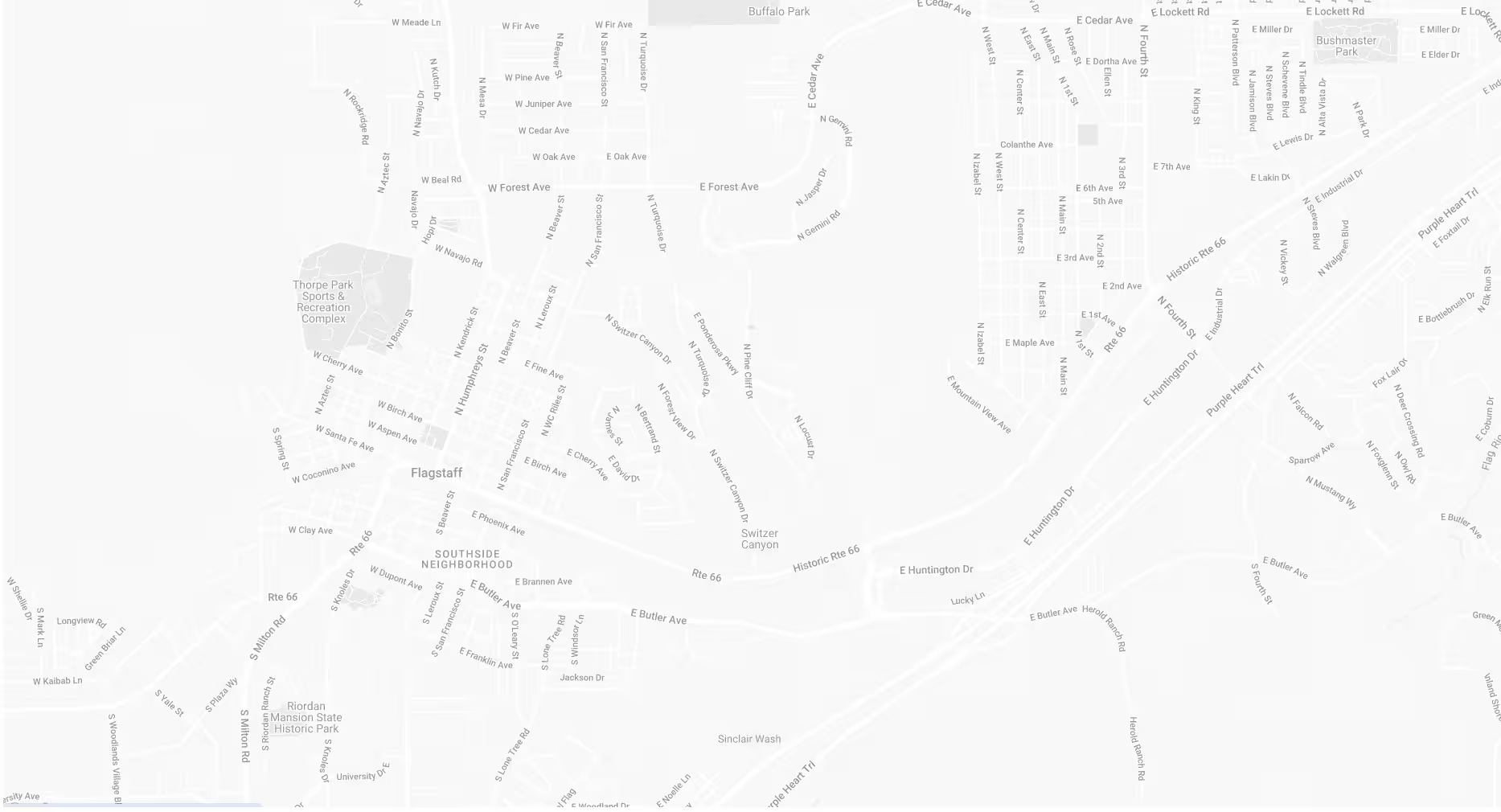
Neighborhood greenways and drainages that act as daily corridors in urban wildlife Flagstaff including the Rio de Flag channels side yards and alley runs that concentrate movement
At the local scale, movement concentrates along:
- Rio de Flag channels and tributary drainages
- Side yards and alley runs with continuous cover
- Fence lines that guide travel and create cover where vegetation is dense
- Utility easements and greenways with low disturbance
Map these to anticipate where urban wildlife Flagstaff flows can intersect with pet areas, garden beds, and storage spots. Then remove attractants and harden entries along those lines.
 Online Only Pricing!
Flagstaff Pest Control—Fast, Local, Guaranteed
Book in minutes. Lock in our online-only rate and get priority scheduling.
- Stops ants, spiders, mice & pack rats
- No long-term contracts
- Family & pet-friendly options
- Money-back guarantee
Online takes ~60 seconds.
No gimmicks—just your price & schedule.
Prefer to talk? We can't guarantee our online prices over the phone.
We're happy to talk! Call us at (928) 233-8618
Rodents Flagstaff and public health at the urban wildlife Flagstaff interface
Recognize plague risk and respond quickly by watching for prairie dog die offs flea bites and sick pets and by following county guidance for safety
In northern Arizona, plague circulates in rodent populations and can spill over to pets and people. Warning signs include sudden prairie dog die offs, clusters of dead rodents, unexplained fever after flea bites, and sick cats that hunt. Follow official steps for reporting and prevention through the Coconino County plague guidance. Keep pets on flea control, avoid contact with sick or dead animals, and seek medical advice if you notice symptoms.
Safe cleanup and deterrence steps before exclusion including disinfection ventilated work and disposal best practices aligned with a local prevention plan
Before sealing entry points, handle droppings and nest areas safely:
- Ventilate closed spaces for fresh air before work begins.
- Protect yourself with gloves, eye protection, and a quality respirator.
- Disinfect droppings and nests with an approved cleaner, then wipe, do not sweep dry.
- Bag and dispose waste in sealed bags. Wash hands and tools after cleanup.
For a step by step process tailored to rodents Flagstaff issues, review this local prevention plan and adapt it to your home.
Secure the small spaces to block urban wildlife Flagstaff
Quarter inch matters exclusion tactics that stop entry with steel mesh door sweeps foundation crack sealing and gnaw resistant vent covers guided by this gap sealing playbook
Mice and small rats can pass through holes the size of a pencil. A quarter inch gap is an open door. Build an exclusion checklist:
- Steel mesh over crawlspace vents and pipe penetrations
- Door sweeps rated for rodents on all exterior doors and garage entries
- Seal cracks in foundations and siding with mortar, metal flashing, or concrete patch
- Gnaw resistant vent covers and caps for attic and roof vents
- Weatherstrip to remove light gaps around doors and hatches
Use this gap sealing playbook to prioritize the most common entry points and materials that work in Flagstaff’s climate.
Garages sheds and under decks as weak points and how to close soil line gaps add kick plates and install burrow guards around steps and patios
Target structures that sit at ground level or offer concealed space:
- Garages: Install a tight bottom seal on the garage door. Add a door sweep on the side door and seal utility penetrations.
- Sheds: Close soil line gaps with gravel and hardware cloth. Elevate the shed with solid skirting and screened vents.
- Under decks: Screen the perimeter with buried hardware cloth. Add kick plates where animals push in at corners.
- Steps and patios: Install burrow guards where animals dig along edges. Backfill voids with compacted gravel.
Book a zero pressure entry point check and exclusion estimate to harden your home against urban wildlife Flagstaff today at this secure link
Get a full photo documented inspection and an exclusion plan sized to your home. Book a zero pressure entry point check and estimate to get ahead of activity before the next seasonal surge.
Remove the magnets that pull urban wildlife Flagstaff into your yard
Food water shelter audit for homes near forest edges from raised feeders on trays to drip free spigots and secured crawlspace vents
Run a simple weekly audit to reduce visits:
- Food: Use raised bird feeders with catch trays. Clean fallen seed every evening.
- Water: Fix drips and overflows. Drain saucers after watering plants.
- Shelter: Keep crawlspace vents screened. Remove clutter and store gear in sealed bins.
- Lighting: Add motion activated lights on quiet side yards to interrupt routine passes.
Bird feeders compost pet food and trash routines that reduce visits including timed feeding sealed bins double bagging and cleaning grease in outdoor cook areas
Small habit changes deliver big results in urban wildlife Flagstaff neighborhoods:
- Bird feeders: Offer limited amounts and take feeders in during peak activity weeks if conflict rises.
- Compost: Use rodent resistant bins. Cover food scraps and keep lids latched.
- Pet food: Feed at set times and remove bowls after meals. Store kibble in sealed containers.
- Trash: Use tightly latching bins. Double bag odorous waste and set out on the morning of pickup, not the night before.
- Outdoor cooking: Degrease grills and wipe down surfaces after use. Store drip trays clean.
Online Only Pricing!
Flagstaff Pest Control—Fast, Local, Guaranteed
Book in minutes. Lock in our online-only rate and get priority scheduling.
- Stops ants, spiders, mice & pack rats
- No long-term contracts
- Family & pet-friendly options
- Money-back guarantee
Online takes ~60 seconds.
No gimmicks—just your price & schedule.
Prefer to talk? We can't guarantee our online prices over the phone.
We're happy to talk! Call us at (928) 233-8618
Vehicles landscaping and storage tips for urban wildlife Flagstaff
Protect wiring and engine bays from pack rats with evening hood lights parking changes peppermint based repellents and tidy storage in carports
Pack rats can nest in engine bays and chew wiring. Reduce risk with a layered approach:
- Light it up: A small hood light in the evening discourages nesting.
- Change parking: Rotate where you park and avoid quiet brushy edges.
- Repellents: Use peppermint based sachets or blocks and refresh often.
- Tidy carports: Elevate storage, sweep often, and remove stacked clutter.
Tidy woodpiles brush and raised beds to reduce nesting for rodents Flagstaff while keeping mulch thin and trimming ground cover away from foundations
Yard structure influences nesting:
- Woodpiles: Elevate on racks and keep at least ten feet from buildings.
- Brush: Thin dense patches and remove debris after trimming.
- Raised beds: Use clean borders and keep pathways clear.
- Mulch: Keep thin near foundations and pull back from siding.
- Ground cover: Trim away from walls to eliminate hidden travel lanes.
Work with neighbors to calm urban wildlife Flagstaff hotspots
Conflicts cluster where multiple food and shelter sources line up with a corridor. A quick block plan can flip the script:
- Walk the block to mark attractants and travel routes.
- Agree on standards for trash setup, pet feeding times, and light placement.
- Set a schedule for cleanup and bin maintenance before high activity seasons.
Coordinate fence fixes gate closes and under deck screening across property lines so wildlife corridors AZ do not dead end into single homes
When one yard leaks and another is sealed, wildlife corridors AZ can dead end into a single home. Coordinate simple fixes across property lines so routes bypass homes. Align fence repairs, close recurring gate gaps, and screen under deck spaces together for block level success.
Ongoing monitoring for urban wildlife Flagstaff success
Use a seasonal inspection cadence specific to Flagstaff with a quarter by quarter checklist for moisture wood soil contact and fresh gnaw or track signs
Seasonal patterns drive risk. Use a quarterly checklist to stay ahead of trouble. Focus on moisture control, wood and soil contact with structures, and fresh sign such as rubs, tracks, droppings, or gnaw marks. Download and adapt this Flagstaff pest inspection checklist for your home and yard.
When to call a local pro for humane removal and integrated management then schedule a same week inspection online to stay ahead of activity
Call a professional if you notice repeated night visits, persistent odors, pet conflicts, or clear entry points that you cannot seal safely. Humane removal paired with hard exclusion and attractant reduction is the fastest path to lasting relief. You can schedule a same week inspection online to regain control quickly.
Conclusion
Urban wildlife Flagstaff can coexist with neighborhoods when attractants are removed small entries are sealed and corridors are respected so you protect health property and habitat at the same time
With a connectivity aware plan, you can reduce conflict and keep wildlife moving safely. Remove food, water, and shelter magnets, seal the quarter inch gaps that matter, and align efforts with neighbors along the key routes. That is how urban wildlife Flagstaff stays healthy while your home and pets stay protected.
Ready to put this plan in motion book an on site inspection and custom exclusion quote now and secure your home against urban wildlife Flagstaff today
Take the next step with a focused inspection and a clear, humane action plan. Book your on site inspection and custom exclusion quote and secure your home for every season.