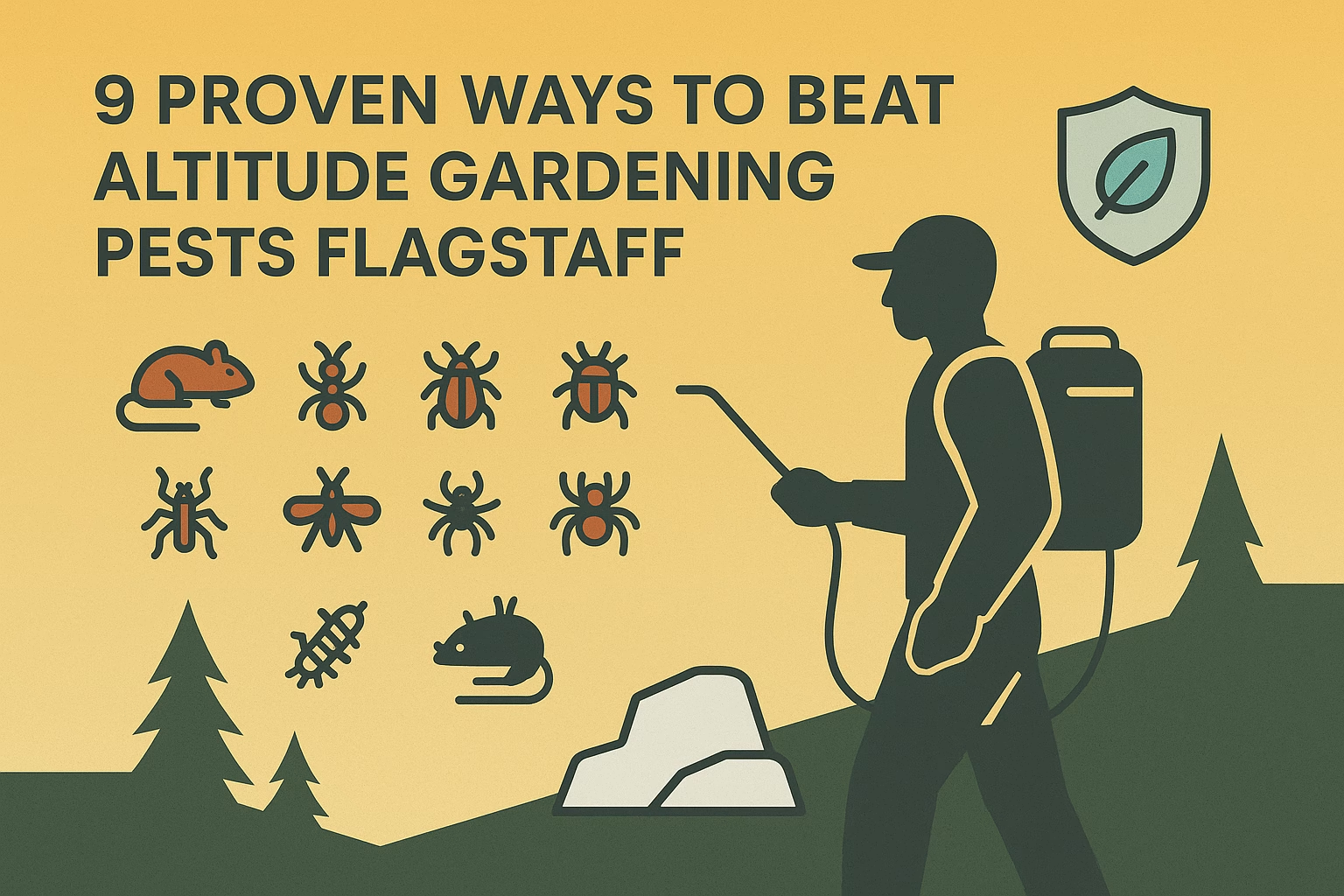
Introduction to altitude gardening pests Flagstaff
High country sunshine and crisp nights make Flagstaff gardens feel like a different planet, where spring can flirt with frost and summer storms arrive in a hurry. Elevation reshapes heat, humidity, and day length, which in turn rewrites how pests behave and when they show up.
Those swings reshape pest pressure, which means altitude gardening pests Flagstaff do not follow the same rules as low desert yards. Moisture jolts, cooler soil, and shorter seasons change what shows up and when. Aphids and flea beetles can surge on the first warm spell, while slugs, snails, and ground dwellers spike as monsoon moisture settles in.
Here is the mountain smart approach for fewer bites and better harvests. Dial in planting dates around insect life cycles, lean on early season row covers, and use integrated tactics that fit Flagstaff timing. This guide maps a practical plan to prevent problems before they peak and to respond precisely when they do.
The elevation calendar for altitude gardening pests Flagstaff
Spring setup that beats first pest waves
Spring in Flagstaff can jump from thaw to chill overnight. Get ahead of the first pest flights and hungry overwintered insects with a tight early season routine.
- Start cool season crops under breathable covers as soon as beds are workable. Pin edges tight with soil or landscape pins so cold air and insects cannot sneak under. Vent covers on warm afternoons to prevent overheating, then secure them again before evening.
- Remove covers only after true leaves harden and plants are stout enough to shrug off a light nibble. Keep a spare set ready in case a late snap threatens.
- Time tender transplants like tomatoes, peppers, squash, and beans for when soil holds above fifty degrees. A simple soil thermometer is your best early season tool. Warm soil helps seedlings outgrow early aphid and flea beetle surges.
- Right size mulch to two to three inches around cool season beds and keep the top inch a touch drier near edges. This reduces overwintering shelter and improves drainage.
- Use a seasonal inspection routine to keep edges tidy and water moving. See the Flagstaff pest inspection checklist for a simple step by step.
Monsoon moisture management for ground dwellers
When storms spike humidity, slugs, snails, roly polies, and earwigs can surge. Most of these pests follow short, moisture dependent insect life cycles, so quick action right after rains makes a big difference.
- Dump and refresh every water holding saucer within forty eight hours. Clean gutters and screen rain barrels so they do not become breeding sites or splash dirt onto leaves.
- Scout at dusk with a flashlight for slime trails and leaf holes. This is when slugs and snails are most active. Hand pick into a soapy bucket and use iron phosphate baits where pressure is high. For science based options and use tips, review the Arizona Extension guide to snails and slugs.
- Pair these steps with a yard wide plan to keep stormwater from pooling around beds and containers. The Flagstaff monsoon control playbook shows how to grade, redirect, and dry out trouble spots fast.
- Lift foliage and thin lower leaves on dense crops so air can move after storms. Faster drying equals fewer fungal issues and fewer hiding spots for ground dwellers.
 Online Only Pricing!
Flagstaff Pest Control—Fast, Local, Guaranteed
Book in minutes. Lock in our online-only rate and get priority scheduling.
- Stops ants, spiders, mice & pack rats
- No long-term contracts
- Family & pet-friendly options
- Money-back guarantee
Online takes ~60 seconds.
No gimmicks—just your price & schedule.
Prefer to talk? We can't guarantee our online prices over the phone.
We're happy to talk! Call us at (928) 233-8618
Fall and winter preparation that denies shelter
Cold nights and snow do not end the story. Many pests tuck in at the soil line or in plant debris, then wake early when spring sun returns. Block their shelters now.
- Pull summer annuals promptly after harvest. Chop and compost healthy debris. Bag and remove anything diseased.
- Trim vegetation for airflow and keep mulch a hand width away from stems and trunks. This deters voles, earwigs, and moisture loving pests from settling in.
- Install quarter inch hardware cloth under new beds and over vents before snow. This keeps burrowers and rodents from setting up winter quarters beneath your beds.
- For a full perimeter tidy and exclusion strategy tailored to altitude gardening pests Flagstaff, see this practical elevation guide: Nine elevation smart ways to prevent garden pests.
Time planting and treatments to insect life cycles
Use growing degree days to dodge peak pest windows
Pests emerge and develop based on heat rather than calendar dates. That is why tracking local heat accumulation helps you dodge peak pressure and time any needed interventions.
- Stagger sowing of beans and squash until frost risk ends and the soil warms. Split plantings by seven to ten days so a single pest flush does not take the whole crop.
- Watch local phenology cues. Lilac leaf out, aspen bud break, and dandelion bloom often mirror the start of certain pest waves.
- Use elevation aware forecasts to guide row cover removal and target treatments to crawler or larval stages. Check the Pheno Forecasts from the USA National Phenology Network to align your timing with development hotspots.
- Log what you see in a simple notebook or notes app. Recording first aphids, first flea beetles, and first caterpillars in your microclimate will sharpen next year’s timing.
Row covers and selective interventions at the right life stage
Blocking early colonizers saves time and reduces spray needs later. If pressure builds, match the product to the most vulnerable life stage for fast, low impact control that spares beneficials.
- Keep lightweight covers on brassicas until buds form to block cabbage moths, flea beetles, and aphids from landing. Secure edges so there are no openings.
- Spot treat only when needed and aim for the right stage:
- Insecticidal soap for soft bodied aphids and whiteflies on contact. Apply in the cool of day and cover undersides of leaves.
- Bt kurstaki for small caterpillars before they bore into heads or fruits.
- Horticultural oil for scale crawlers and mite suppression. Time dilute oil sprays to crawler release for best impact.
- Spinosad when chewing pests like leafminers or thrips overwhelm other tactics. Use sparingly and avoid blooms to protect pollinators.
- Protect and attract beneficials by leaving flowering borders, avoiding broad spectrum products, and watering in the morning so foliage dries quickly.
Online Only Pricing!
Flagstaff Pest Control—Fast, Local, Guaranteed
Book in minutes. Lock in our online-only rate and get priority scheduling.
- Stops ants, spiders, mice & pack rats
- No long-term contracts
- Family & pet-friendly options
- Money-back guarantee
Online takes ~60 seconds.
No gimmicks—just your price & schedule.
Prefer to talk? We can't guarantee our online prices over the phone.
We're happy to talk! Call us at (928) 233-8618
Trees and ornamentals at elevation
Aspen and lilac watchlist for high elevation gardens
Above six thousand feet, oystershell scale can be a quiet killer on aspen and lilac. The insects hide under small shells, weaken branches, and can girdle twigs if left unchecked.
- Learn symptoms and crawler timing in this local guide from Arizona Extension: Oystershell scale above six thousand foot elevations.
- Prune dead wood during dormancy and thin crowded branches for light and airflow.
- Water deeply but infrequently to avoid stress. Healthy, hydrated trees tolerate minor pest pressure far better than thirsty ones.
- Time horticultural oil to crawler release for maximum effect with minimal collateral impact.
Choose resilient plant palettes to reduce browsing and stress
Right plant, right place is pest prevention. Stressed plants send signals that attract pests, while tough adapted selections cruise through cold snaps and wind.
- Favor site matched natives and cold resistant pest plants AZ gardeners trust to shrug off late frost and rebound after monsoon winds.
- Group thirsty ornamentals near irrigation so they get even moisture. Move stress sensitive species out of reflected heat pockets near stone or south walls.
- Layer wind breaks and mulch correctly to buffer swings without piling mulch against trunks.
Bed design, exclusion, and sanitation that last
Raised beds that resist burrowers and moisture swings
Good construction turns beds into resilient islands that are harder for pests to invade and easier to keep evenly watered.
- Line the base of beds with quarter inch hardware cloth. Bury the edge at least twelve to eighteen inches and fasten seams tight so there are no gaps for gophers or voles.
- Use drip lines with timers and pressure compensating emitters. Water the root zone, not pathways where pests travel. Short, frequent cycles in summer keep moisture steady without creating puddles.
- Keep aisles weed free with fabric or frequent hoeing. Weeds create bridges for ants and ground dwellers tied to insect life cycles.
- Top dress with compost in spring and late summer to boost soil life that competes with pests and fuels strong regrowth.
Store and stage materials to disrupt pest harborage
Orderly staging removes the shelter and moisture gradients that draw pests toward your beds.
- Stage woodpiles and spare lumber well away from beds to reduce ant and earwig movement into vegetables.
- Keep compost aerated and covered so it heats properly and does not become a nursery for flies and gnats.
- Rake pine duff from bed edges after storms so damp litter does not pull pests toward seedlings or storage sheds adjacent to gardens.
- Seal sheds and under deck spaces with hardware cloth at ground contact points to block burrowers before they discover cozy winter quarters.
Conclusion
In Flagstaff, success comes from timing. Align beds and plantings with insect life cycles, keep row covers on early, and use moisture smart habits during monsoon season. Choose resilient species including cold resistant pest plants AZ gardeners rely on, protect roots and trunks with smart bed design, and scout so you can act at the most vulnerable stage. These steps tame the unique rhythm of altitude gardening pests Flagstaff.
Ready for professional backup
- Want a pre season garden perimeter check, a row cover plan, and a planting calendar tuned to your microclimate? Book a Garden Timing Session now.
- Need help setting hardware cloth under new beds or sealing sheds before monsoon season? Reserve a Bed Build and Exclusion visit today.
- If pests are already chewing through leaves or bark, schedule a Rapid Garden IPM assessment and get a same week plan. Schedule your Rapid Garden IPM assessment.