Introduction to climate pest Flagstaff shifts during prolonged drought
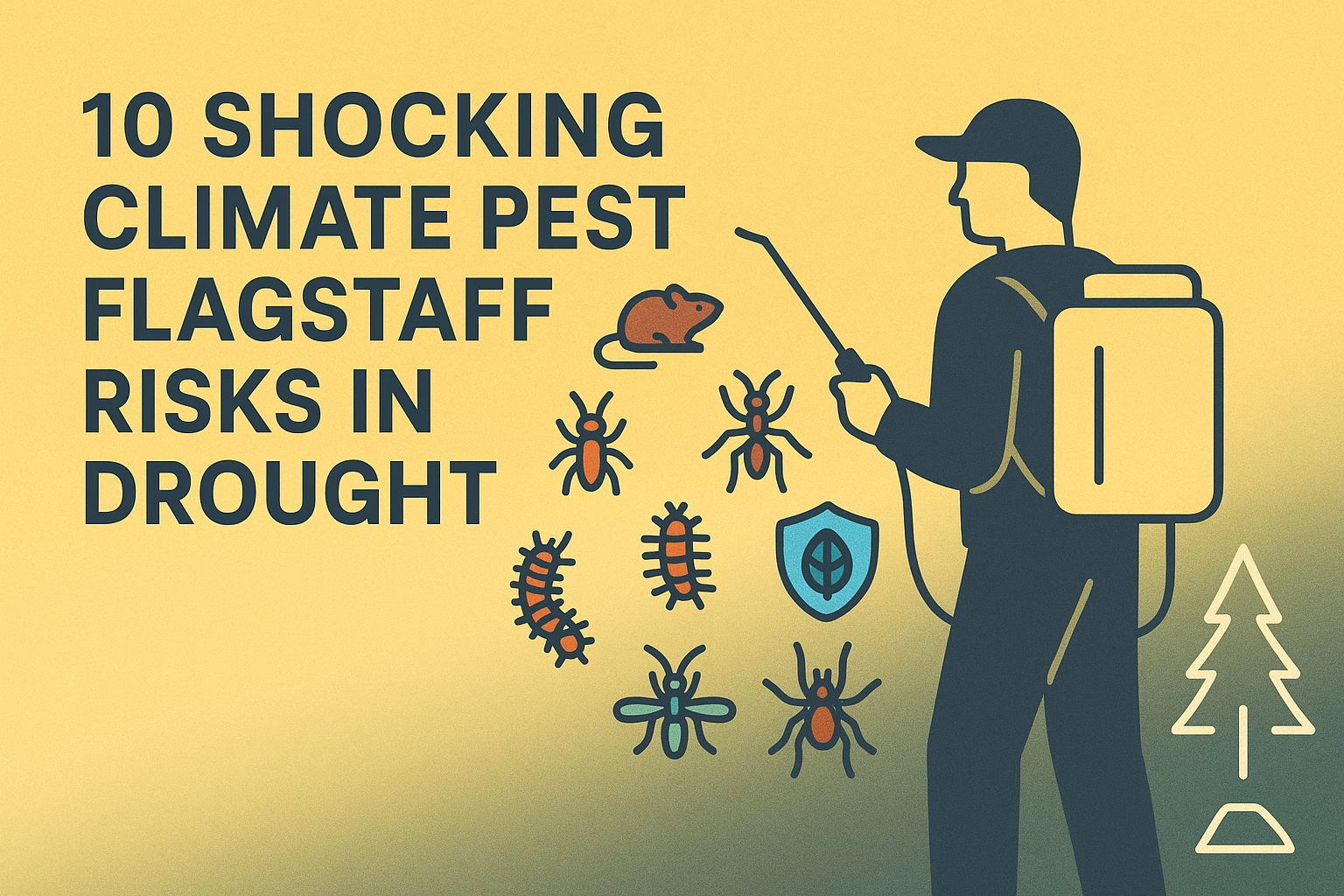
Flagstaff’s blue skies can hide a tougher truth for homeowners when dry spells stretch on. In a drought cycle, climate pest Flagstaff pressures do not disappear. They relocate and intensify wherever water still exists. Rodents push indoors for sinks, pet bowls, and condensation while certain insects pivot toward houses and irrigated beds. This guide maps how drought flips infestation patterns and outlines practical, local steps to stay ahead of climate pest Flagstaff risks.
Why drought rewrites climate pest Flagstaff behavior around homes
Water restriction effect reshapes yard moisture and pest pressure
City irrigation schedules and enforcement set the moisture baseline that drives urban pest activity. When restrictions tighten, lawns and ornamentals get fewer watering windows and pests notice. The water restriction effect changes the way pests move and cluster across your property.
- Stress signals from plants: Stressed shrubs emit volatiles that attract plant feeders and the predators that follow them.
- Moisture islands: Shaded beds, drip lines, and leaky spigots become hubs for dry season pests AZ.
- Human made water sources: Pet bowls, birdbaths, and AC condensate discharge act like magnets for foraging insects and rodents.
Stay aligned with city guidance and keep your prevention efforts compliant by reviewing the current rules at the City Landscape Watering Rules.
- Water early morning to reduce evaporation and puddling.
- Use drip emitters instead of sprinklers where possible.
- Audit zones for leaks and overspray that wet siding or the foundation.
From parched landscapes to indoor taps as rodent magnets
When natural water sources dry up, deer mice and other small rodents shift closer to indoor water and shelter. That raises sanitation and disease concerns in Coconino County homes. Focus on a simple but effective sequence:
- Seal Up: Close gaps at utility penetrations and door thresholds. Screen vents with one quarter inch hardware cloth.
- Trap Up: Stage snap traps along walls, behind appliances, and in garages before populations establish.
- Clean Up: Remove food access, manage pet feeding schedules, and limit clutter that creates harborage.
For health guidance and prevention steps specific to our region, use the University of Arizona Extension resource Hantavirus and Disease Prevention.
Which dry season pests AZ move in first and why
Ants, cockroaches, and occasional invaders track moisture gradients
Inside a dry home, even minor condensation creates a moisture gradient that guides pests. Ants, German cockroaches, and moisture seeking occasional invaders follow the dampest routes they can find.
 Online Only Pricing!
Flagstaff Pest Control—Fast, Local, Guaranteed
Book in minutes. Lock in our online-only rate and get priority scheduling.
- Stops ants, spiders, mice & pack rats
- No long-term contracts
- Family & pet-friendly options
- Money-back guarantee
Online takes ~60 seconds.
No gimmicks—just your price & schedule.
Prefer to talk? We can't guarantee our online prices over the phone.
We're happy to talk! Call us at (928) 233-8618
- Ants: Pavement and carpenter ants often trail from slab cracks to kitchen and bath plumbing. Nighttime scouting lines along baseboards are common in drought.
- German cockroaches: Refrigerator drip pans, sink cabinets, and dishwasher seals provide humidity and food residue that support rapid growth.
- Occasional invaders: Earwigs, ground beetles, silverfish, and house centipedes squeeze through weatherstripping gaps and utility penetrations when outdoor soil dries.
For a seasonal overview and practical prevention ideas with a lighter footprint, review our primer on eco friendly climate pest Flagstaff strategies.
Rodent pressure in climate pest Flagstaff neighborhoods during extended dry spells
Persistent low humidity and reduced outdoor food push mice toward garages, crawl spaces, and attics. Early detection limits population establishment and lowers risk ahead of the first monsoon rebound.
- Check for signs: Grease marks along baseboards, pellet clusters in hidden corners, and late night noise near kitchens and water heaters.
- Exclude early: Replace worn door sweeps, tighten thresholds, and seal gaps where utilities enter with metal mesh and sealant.
- Stage traps: Set along walls and behind stored items in the garage to intercept movement toward living areas.
Proactive exclusion and monitoring during drought make it harder for dry season pests AZ to transition indoors.
Drought then monsoon whiplash and the mosquito curve
Standing water after a storm drives a fast mosquito surge
After long dry periods, even brief monsoon bursts can spike container breeding. Prevention is simple and powerful.
- Dump and scrub water from tarps, gutters, toys, and plant saucers within a few days after each rain.
- Fix leaky spigots and irrigation valves that create constant puddles.
- Store buckets and wheelbarrows upside down to prevent water collection.
Use local guidance from the City of Flagstaff Mosquito Control program to prioritize source reduction and protect public health in a climate pest Flagstaff context.
Irrigation timing, container management, and the water restriction effect
Smart irrigation keeps your landscape healthy without creating pest friendly puddles. It also supports the city’s conservation goals and reduces the water restriction effect that concentrates pests at a few wet spots.
- Water at sunrise to cut evaporation while avoiding standing water overnight.
- Audit drip lines for clogged emitters, broken tubing, and uneven coverage that causes stressed plants.
- Eliminate catch trays under pots after watering. Use saucers only for brief soaking then empty and store dry.
- Test soil moisture with a screwdriver. If it slides in easily, delay the next cycle.
For a side by side look at monsoon surges versus drought driven redirection toward irrigated zones, read our Flagstaff summer moisture management guide.
Online Only Pricing!
Flagstaff Pest Control—Fast, Local, Guaranteed
Book in minutes. Lock in our online-only rate and get priority scheduling.
- Stops ants, spiders, mice & pack rats
- No long-term contracts
- Family & pet-friendly options
- Money-back guarantee
Online takes ~60 seconds.
No gimmicks—just your price & schedule.
Prefer to talk? We can't guarantee our online prices over the phone.
We're happy to talk! Call us at (928) 233-8618
Prevention playbook tailored to climate pest Flagstaff drought realities
Home exclusion and moisture denial checklist that works in dry season pests AZ conditions
- Seal the envelope: Install tight door sweeps, repair screens, weatherstrip around windows, and caulk utility penetrations.
- Screen openings: Fit attic and crawl vents with one quarter inch hardware cloth and keep chimney caps secure.
- Insulate cold water lines: Wrap pipes to prevent condensation that attracts ants and roaches.
- Fix weeping valves: Replace failing shutoffs and hose bib washers to stop slow drips.
- Manage pet water: Offer bowls on a schedule, rinse daily, and elevate where possible.
- Sanitation: Store pantry items in sealed containers and clean under appliances where crumbs and moisture accumulate.
- Monitor: Place a few sticky traps in low traffic areas to catch early insect activity and guide targeted actions.
Pair these steps with an inspection first approach from our family safe IPM guide.
Yard and perimeter tactics when rainfall stays low
- Thin dense groundcovers near foundations to increase airflow and reduce harborage.
- Switch to drip emitters that do not splash siding or soak weep screeds.
- Relocate woodpiles and clutter away from walls and off the ground.
- Refresh mulch thoughtfully and keep a clear soil band next to the slab so you can see fresh tracks and droppings.
- Trim branches that touch the roof or eaves to remove rodent and ant bridges.
- Grade soil so water flows away from the foundation and does not pool at corners.
Increased vigilance during drought makes outdoor lines of defense harder for climate pest Flagstaff invaders to cross.
When to bring in a pro for climate pest Flagstaff inspections
Signals that warrant same week service
- New chew marks near water lines or under sinks.
- Repeating ant scouts in bathrooms or kitchens after cleaning.
- Night activity in walls, ceilings, or around the water heater.
- Any droppings near food prep or pet feeding zones.
- Musty odors or sudden grease marks along baseboards.
What a drought tuned IPM inspection includes
- Moisture mapping to find condensation, leaks, and damp microclimates that fuel dry season pests AZ.
- Exclusion measurement of gaps at thresholds, vents, and penetrations with prioritized fixes.
- Device placement in high pressure corridors to intercept activity before it spreads.
- Landscape review for irrigation timing, plant stress, and pest conducive features tied to the water restriction effect.
- Clear action plan with simple tasks you can do and targeted treatments where necessary.
Secure your preferred time by booking a drought era pest audit online at schedule your inspection.
Conclusion
Climate pest Flagstaff patterns shift under drought, moving pressure from field and forest edges toward your sinks, drips, and shaded beds. Tighten exclusion, remove indoor and outdoor water lures, and adjust irrigation with city rules in mind to blunt dry season pests AZ before monsoon pulses arrive. Ready for a thorough inspection and tailored action plan that fits this year’s weather curve and the water restriction effect in Flagstaff homes Visit book your service to schedule your visit now.