Introduction
A quick look at why urban pests Flagstaff are not the same as forest edge pests
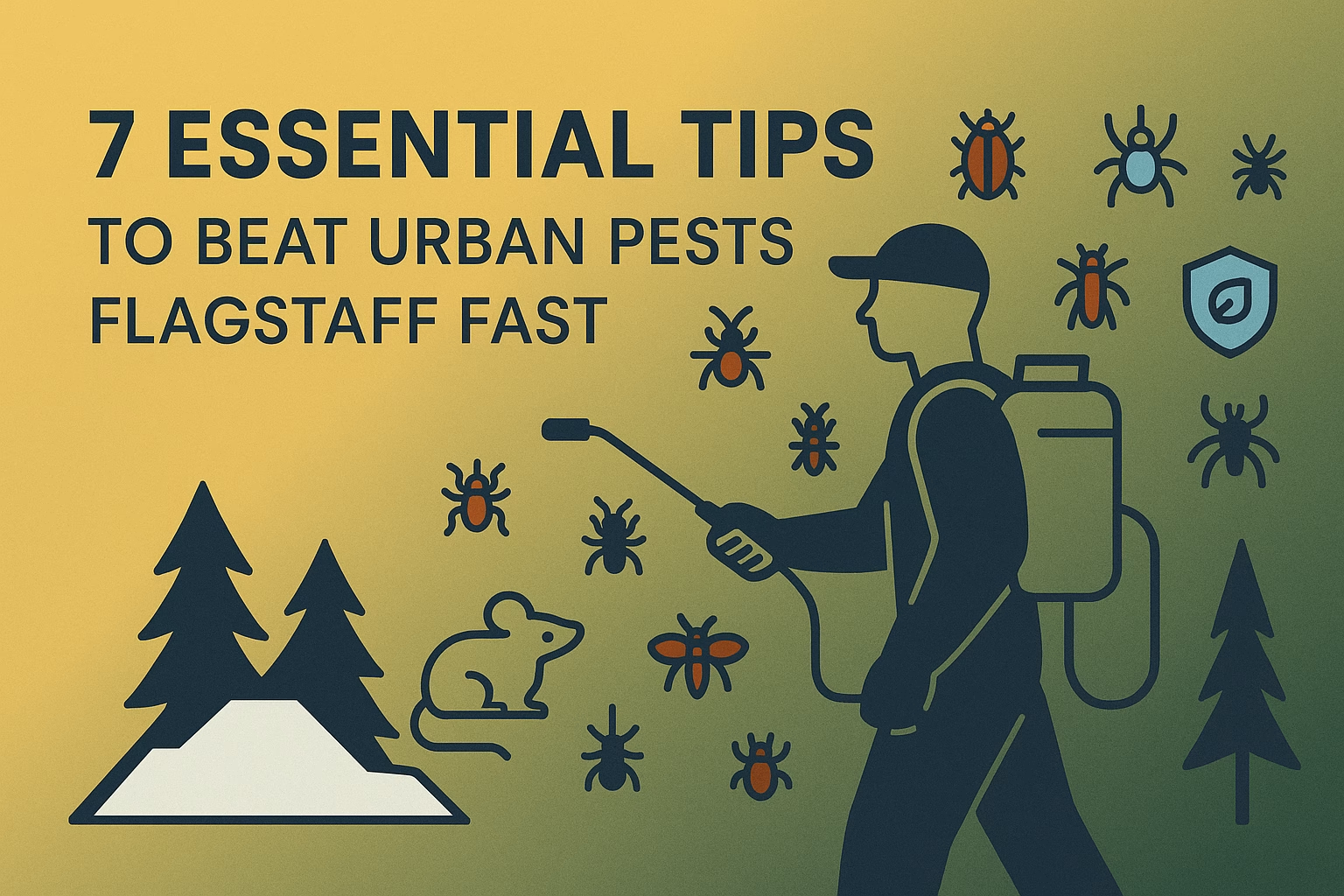
Flagstaff straddles two distinct environments in one metro area. Dense downtown blocks and campus housing face one set of pressures, while homes near the pine edge see very different wildlife and vector concerns. That split matters. The most effective plan for urban pests Flagstaff inside city limits will not look the same as a plan for forest edge pests outside the city line.
The problem: one metro area with two very different pest pressures that demand different priorities
Shared walls, restaurants, and dumpsters elevate cockroach and rodent risks downtown. Just a few miles away, skunks, bats, ticks, deer mice, and prairie dogs set the agenda. A single one size fits all approach wastes time and increases health risks. Households, property managers, and HOAs need to separate priorities by setting and season.
The thesis: tailor urban pests Flagstaff strategies in town and rural pest control AZ tactics near the forest edge for fewer infestations and lower health risks
The winning formula is simple. In town, control water, food waste, and building gaps. Near the forest edge, emphasize wildlife proofing, tick awareness, rodent exclusion, and smart landscaping. This guide details what to do, when to do it, and how to pivot as the weather shifts.
City center snapshot: urban pests Flagstaff at a glance
In core neighborhoods, American and German cockroaches track in through floor drains, wall voids, and utility penetrations. Roof rats and Norway rats follow food waste and shelter into alleys, garages, and crawlspaces. Focus on these essentials:
- Food and waste discipline: line and close bins, lock dumpster lids, and clean pads weekly.
- Entry proofing: seal gaps wider than a pencil with copper mesh and sealant, install door sweeps, and screen vents.
- Moisture control: repair drips, unclog gutters, and dry floor drains with enzyme treatment where needed.
- Targeted treatments: use gel baits and insect growth regulators for roaches and secure exterior bait stations for rats, all as part of a documented IPM program.
- Communication for shared walls: coordinate with neighbors and building managers so activity does not shift from unit to unit.
Monsoon mosquitoes in neighborhoods and simple yard sanitation wins for West Nile prevention
Monsoon rain creates short lived breeding sites across yards and alleys. The fastest win is weekly water control. Use the City of Flagstaff mosquito control checklist and add these habits:
- Dump and scrub saucers, buckets, toys, and tarps every seven days.
- Refresh birdbaths twice a week and add a bubbler where practical.
- Keep gutters clear and level, correct irrigation leaks, and fill low spots.
- Use tight screens and keep doors closed during peak evening activity.
Bed bugs in apartments and travel hubs with non chemical and heat based responses plus tenant friendly IPM checklists
Flagstaff’s mix of travel and student housing keeps bed bugs in circulation. Early detection keeps costs down and prevents spread. Strong programs include:
- Non chemical measures: bag and heat treat linens in a dryer on high, install bed bug interceptors under legs, and use encasements for mattresses and box springs.
- Professional heat treatment for units with higher activity, paired with follow up monitoring.
- Tenant friendly IPM checklists that cover laundry prep, clutter reduction, and post service inspection routines.
- Education for shared walls so neighbors report early and reduce reintroductions.
 Online Only Pricing!
Flagstaff Pest Control—Fast, Local, Guaranteed
Book in minutes. Lock in our online-only rate and get priority scheduling.
- Stops ants, spiders, mice & pack rats
- No long-term contracts
- Family & pet-friendly options
- Money-back guarantee
Online takes ~60 seconds.
No gimmicks—just your price & schedule.
Prefer to talk? We can't guarantee our online prices over the phone.
We're happy to talk! Call us at (928) 233-8618
Forest edge pests around Flagstaff and how they differ from urban pests Flagstaff
Skunks and bats near outlying streets and cabins with priority on exclusion and rabies precautions
Wildlife encounters increase near greenbelts and pine stands. Skunks den under decks and sheds. Bats use gaps near eaves and rooflines. Exclusion prevents conflicts and reduces disease risk. A recent regional incident shows why vigilance matters. See the report on the NAU dorm relocation in this NAU dorm bat incident underscores building exclusion and reporting. Priority actions include:
- Screen soffit and attic vents with hardware cloth and repair fascia gaps.
- Install one way devices only during appropriate windows, then seal permanently.
- Never handle grounded bats or skunks. If exposure is suspected, seek medical guidance immediately.
- Remove attractants like pet food, unsecured trash, and standing water at night.
Ticks at elevation in meadows oak aspen mix and along trailheads with surveillance insights and prevention steps
Tick activity increases along edges where people and pets recreate. Surveillance updates help time prevention. Review the Great Arizona Tick Check spring update and add these steps:
- Wear light clothing, tuck pants into socks, and use EPA registered repellents on clothing and exposed skin.
- Do a full body check after hikes, especially behind knees, waistband, and hairline.
- Shower within two hours of returning indoors and run clothes on hot for at least ten minutes before washing.
- Maintain a low vegetation buffer around patios and play areas.
Deer mice and hantavirus risk around sheds crawlspaces and seasonal cabins with safe cleanup and airtight storage to limit exposure
Deer mice thrive in stored items and quiet voids. Prevent exposure by:
- Storing food and bird seed in rigid sealed containers.
- Elevating and organizing boxes on shelves, not floors.
- Using the wet method for cleanup. Ventilate the space, mist droppings with a disinfectant, wipe with disposable towels, then double bag waste.
- Sealing entry points as small as a dime with metal flashing, concrete patch, and door sweeps.
Prairie dog colonies and flea cycles near greenbelts and open lots with pet flea prevention and distance from active burrows when colonies crash
Prairie dog populations influence flea loads for nearby pets and people. When colonies decline, fleas look for new hosts. Reduce risk by:
- Keeping dogs on veterinarian approved flea control and checking daily during bursts of activity.
- Leashing and avoiding active burrow fields and recently treated zones.
- Managing yard edges to remove tall weeds and debris where rodents shelter.
Season and climate patterns that swing pests from city blocks to forest lanes
Dry year rodent push into irrigated yards then wet year rebounds by the pine edge with different moisture and landscape tactics for each setting
In dry phases, rodents drift toward irrigated in town landscapes. In wet phases, populations rebound near the forest edge. Calibrate your plan with the Flagstaff climate pests action guide and adjust:
- Dry year in town: reduce irrigation frequency, remove ivy, trim shrubs off foundations, and secure trash and pet food.
- Wet year near the pines: thin understory, stack firewood off the ground, and maintain a clean five foot perimeter around structures.
Monsoon openings screens doors and garage gaps in town versus woodpile debris piles and under deck voids outside the city line
Storms shift entry points. In town, wind driven rain and pressure changes reveal gaps around screens, doors, and garages. Near the forest edge, activity increases in woodpiles, debris piles, and under deck voids. For step by step prevention timed to summer, see Monsoon season prevention for town and forest edge homes.
Online Only Pricing!
Flagstaff Pest Control—Fast, Local, Guaranteed
Book in minutes. Lock in our online-only rate and get priority scheduling.
- Stops ants, spiders, mice & pack rats
- No long-term contracts
- Family & pet-friendly options
- Money-back guarantee
Online takes ~60 seconds.
No gimmicks—just your price & schedule.
Prefer to talk? We can't guarantee our online prices over the phone.
We're happy to talk! Call us at (928) 233-8618
Winter regroup: overwintering insects in townhouses and pack rats in vehicles at rural driveways with early exclusion before the first hard freeze
As nights cool, cluster flies, seed bugs, and spiders slip into townhomes through attic and window gaps. Outside town, pack rats target engine bays and stored vehicles. The best defense is early. Install door sweeps and screen vents, organize garages, and use light exclusion in vehicle storage areas before the first hard freeze.
Practical prevention checklists that fit both settings
Urban checklist for urban pests Flagstaff
- Kitchen and dumpster sanitation: wipe food prep surfaces nightly, clean under cooklines, and maintain clean, closed dumpsters.
- Sealed utility penetrations: seal around pipes, conduits, and cable entries.
- Container water dump routine: empty standing water every seven days.
- Shared wall IPM communication: coordinate inspections and treatment windows with neighbors and property managers.
- Monitoring: use sticky traps and snap traps in locked stations to track trends.
Rural pest control AZ checklist
- Exclusion for attic and soffit vents with hardware cloth that fits tight.
- Cabin and shed sealing: weatherstrip doors and close gaps at sills and eaves.
- Elevated firewood storage on racks at least four inches off the soil and ten feet from structures.
- Dog food only during meals with bowls washed and stored after each feeding.
- Nighttime attractant removal: secure trash, remove fallen fruit, and pick up bird seed spills.
Rodent exclusion plan for cabins garages and vehicles plus HOA friendly steps for in town perimeters
Build a plan you can repeat every season. Use this step by step resource to cover both rural and urban edges: Complete Flagstaff rodent prevention plan.
Forest edge pests landscaping
- Thin dense brush to improve airflow and reduce cover for rodents.
- Remove slash quickly so piles do not become den sites.
- Prune low branches to keep needles and cones off structures and reduce ladder fuels.
- Protect high value pines if bark beetle pressure rises, and water deeply during long dry spells.
When to call a pro and what to expect
Health risk triggers for immediate service
- Bite clusters on one person or across multiple occupants.
- Any suspected rabies exposure or bat in a sleeping area.
- Fresh rodent droppings, gnaw marks, or active noises in walls or ceilings.
- Heavy cockroach activity in food handling areas.
Urban response versus rural access
Pros schedule around campus events, alley access hours, and shared wall coordination in town. Near the forest edge, they consider road conditions, weather windows, and gated drives. A thorough inspection usually covers:
- Interview about sightings, sounds, and seasonality.
- Exterior walk with focus on grading, vegetation, and utility penetrations.
- Attic and crawlspace review for droppings, rub marks, and entry points.
- Moisture and sanitation checks and a written IPM plan with clear next steps.
Book an expert inspection and tailored treatment plan for your address and season
Get a custom plan that fits your block or your forest lane. Reserve a window that works with your schedule and the current season. Book your inspection and treatment plan now.
Conclusion
Key takeaways
- Urban pests Flagstaff call for container water control, strict food waste discipline, routine monitoring, and tight building envelopes.
- Forest edge pests demand wildlife proofing, tick awareness, rodent exclusion, and clean, well managed property edges.
- Match tactics to setting and season for the strongest results and fewer health risks.
Ready to fix today’s issue and prevent the next season’s surge
Whether you need rural pest control AZ near the pines or a focused in town program, act now so pests do not settle in. Choose a time that fits your calendar at reserve your service window now.