Introduction
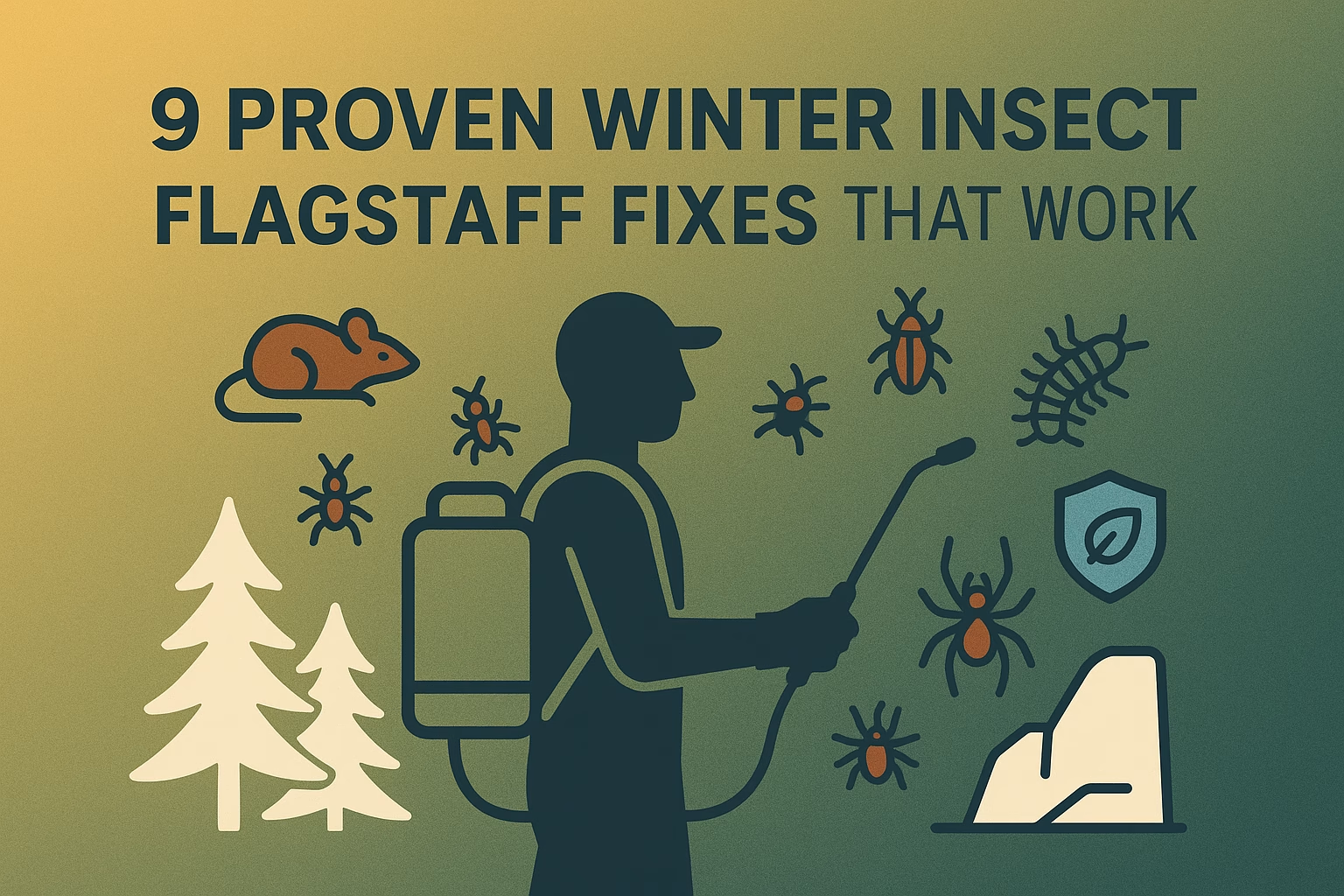
The myth says everything with six legs vanishes when snow hits, yet winter insect Flagstaff activity only shifts location and tempo rather than stopping. At higher elevation, Flagstaff’s sharp cold snaps slow insects outdoors, but indoor microclimates and sun warmed walls let cold weather bugs and hibernating pests AZ persist where people least expect them. This guide separates fact from fiction, showing which insects truly hibernate, which remain a threat, and how to outsmart winter insect Flagstaff invaders with practical, local IPM steps you can start today.
Myth versus reality: Do winter insect Flagstaff populations disappear
What hibernation really means in Arizona winters
Many insects do not die in cold months. Instead they enter a survival pause called diapause that begins as days shorten and temperatures drop. Think of it as a sleep like state that conserves energy until conditions improve. Some species survive as adults tucked into protected crevices, others as eggs, larvae, or pupae in soil, logs, or leaf litter. Indoors, the rules change, because warm pipes, appliances, and sun exposed walls hold temperatures above survival thresholds.
Translation for a winter insect Flagstaff season: expect fewer outdoor sightings but steadier indoor encounters when basements, crawlspaces, or living spaces stay warm enough. Short midday thaws or sunny windows can trigger brief bursts of movement followed by quiet stretches when temperatures fall again.
Overwintering home invaders you will still see
Some insects cue on fall weather to find winter shelter inside structures, then reappear on bright winter afternoons.
- Western conifer seed bugs are classic fall invaders in conifer country. They slip into gaps around siding and attic vents to overwinter, then wander toward windows when interiors warm.
- Boxelder bugs and cluster flies often aggregate on sunny exterior walls, squeeze into wall voids, and show up near light and glass during midwinter warmups.
- Multicolored Asian lady beetles can cluster in attics and wall cavities, becoming a nuisance when they seek light and warmth.
These are primarily nuisance cold weather bugs indoors. Still, their presence signals unsealed gaps that can also admit more serious pests including cockroaches and ants.
Which pests truly hibernate vs remain a threat in Flagstaff
Likely dormant outdoors in deep cold
- Butterflies, solitary bees, and wasps often overwinter as pupae or adults in soil, logs, or dry leaf litter. These hibernating pests AZ mostly stay outside until spring unless indoor heat draws them through gaps.
- Ground nesting and plant feeding insects pause feeding and reproduction outdoors, so direct midwinter risk is low unless they already secured a crack or void inside during fall.
Active or semi active winter insect Flagstaff problems indoors
- Cockroaches exploit warm pipes, utility chases, and tight kitchens year round. For targeted winter control steps and bait strategies, see our cockroach pest control guide for Flagstaff homes.
- Spiders follow prey indoors as temperatures drop, then establish web sites in corners, garages, and basements. Learn prevention and exclusion tips in our spider management resource.
- Ants can trail into kitchens and bathrooms whenever indoor moisture and crumbs are available. Understand seasonal behavior and control options at our ant control resource for Flagstaff.
- Pantry pests such as Indianmeal moths and grain beetles remain active in warm cupboards, often hitchhiking inside stored foods.
- Springtails thrive in damp basements, crawlspaces, and around tubs or sinks where humidity stays high.
 Online Only Pricing!
Flagstaff Pest Control—Fast, Local, Guaranteed
Book in minutes. Lock in our online-only rate and get priority scheduling.
- Stops ants, spiders, mice & pack rats
- No long-term contracts
- Family & pet-friendly options
- Money-back guarantee
Online takes ~60 seconds.
No gimmicks—just your price & schedule.
Prefer to talk? We can't guarantee our online prices over the phone.
We're happy to talk! Call us at (928) 233-8618
Where winter insect Flagstaff activity hides in your home
Microclimates that keep bugs going
- Attics warmed by sun can reach temperatures that wake overwintering insects during midday, especially on south and west roof slopes.
- Wall voids near appliances such as refrigerators and water heaters harbor enough heat for survival and slow movement.
- Crawlspaces with steady humidity let springtails and other moisture lovers persist through the coldest weeks.
- Utility rooms and sump areas combine warmth and moisture, making them classic hotspots for cold weather bugs.
- Windowsills and bright rooms on sunny days become frequent sighting zones as insects orient toward light and warmth.
Entry points and exclusion priorities for Flagstaff homes
- Siding to soffit joints Seal gaps where exterior materials meet. Pay special attention under eaves and along rooflines.
- Vents and screens Install and maintain fine mesh on attic and foundation vents. Repair or replace torn window screens.
- Utility penetrations Caulk around cables, gas lines, and plumbing where they enter the building envelope.
- Weatherstripping and door sweeps Add or replace to ensure tight seals at thresholds and garage entries.
- Vacuum and then seal Remove occasional invaders with a vacuum and promptly caulk the entry point you identify to cut off the pathway for the rest of winter.
Prevention and IPM checklist for cold months
Early fall sealing and screening to block overwintering insects
- Mesh and screening Install fine mesh on attic and foundation vents before the first cold snap.
- Weatherproofing Add weatherstripping and door sweeps and seal gaps around cables and pipes with quality sealant by late September.
- Exterior cleanup Move stacked firewood away from siding and clear leaf litter and clutter that provide shelter near exterior walls.
- Light management Swap bright white exterior bulbs for warmer spectrum lighting that is less attractive to insects.
Midwinter sanitation and monitoring for pantry pests and springtails
- Airtight storage Keep grains, bird seed, and pet food in sealed containers and dispose of infested items promptly.
- Moisture control Fix slow leaks under sinks, insulate sweating pipes, and run a dehumidifier where humidity stays high.
- Sticky monitors Place monitors near utility rooms, baseboards, and behind appliances to spot activity early and guide treatment.
- Targeted treatments Address moisture first, then use baits or non repellent treatments only as needed for specific indoor cold weather bugs. Avoid broad sprays that can scatter pests.
When DIY becomes risky
- Repeated sightings from wall voids, outlets, or around electrical and plumbing chases often require specialized tools and safety protocols.
- Hidden sources such as attic clusters, ceiling voids, or inaccessible crawlspaces are best handled by a licensed professional who can apply focused integrated pest management.
- Book a winter inspection and receive a tailored treatment plan for your home through our online scheduler: reserve your inspection now.
Online Only Pricing!
Flagstaff Pest Control—Fast, Local, Guaranteed
Book in minutes. Lock in our online-only rate and get priority scheduling.
- Stops ants, spiders, mice & pack rats
- No long-term contracts
- Family & pet-friendly options
- Money-back guarantee
Online takes ~60 seconds.
No gimmicks—just your price & schedule.
Prefer to talk? We can't guarantee our online prices over the phone.
We're happy to talk! Call us at (928) 233-8618
Local FAQs about winter insect Flagstaff
Will deep freezes kill every bug
Not reliably. Many species shelter below snow, in soil, or inside wall voids and easily survive cold snaps. Populations often bounce back when brief thaws arrive or when indoor heat remains steady.
Why do I suddenly see bugs on sunny winter days
Solar heated siding and window zones warm rapidly, waking overwintering insects temporarily. They move toward light and warmth for a few hours, then become inactive again as temperatures drop.
Is winter pest control worth it in Flagstaff
Yes. Treating winter insect Flagstaff issues reduces spring populations, blocks entry points before the next wave of activity, and curbs indoor infestations while they are still manageable.
Which indoor hotspots should I check first
Start with attics on sun facing slopes, gaps around utility lines, the warm sides of appliances, bathroom and kitchen sinks, and any damp crawlspace or basement corners.
Can I just wait until spring to deal with hibernating pests AZ
Waiting lets occasional invaders spread deeper into wall voids and allows pantry pests and cockroaches to multiply. Quick winter action limits damage and makes spring much easier to manage.
Conclusion
The key takeaway is simple yet important. Winter insect Flagstaff activity changes shape, not existence. Some insects truly hibernate outside, but many overwinter in structures or stay semi active indoors. Exclusion, sanitation, moisture control, and targeted IPM are essential during cold months to protect your home and prevent spring surges.
Ready to stop winter invaders before they spread through wall voids and storage areas. Book your winter inspection and treatment plan today.